
Toddlers can usually:
✓Walk down stairs with both feet on each step
✓Run, jump and climb with great agility
✓Chew well as they have most of their teeth now
✓Learning to master how to incorporate toys and equipment like balls, riding toys and climbers in complex ways; for example, climbing the slide upwards.
🌈 Aim for 4 Food Colours Every Day
Tomato
Red amaranth
Watermelon
Beetroot
Pomegranate
Carrot
Pumpkin
Papaya
Orange
Sweet potato
Spinach
Bottle gourd leaves
Okra
Cucumber
Green beans
Eggplant
Black grapes
Jamun
Purple cabbage
Black plum (local variation)
Banana
Mango
Jackfruit
Corn
Turmeric
Fish
Chicken
Eggs
Lentils
Chickpeas
Milk
Yogurt
Ghee
Cheese
Butter
Protein at every meal · 3–4 dairy servings per day · Involve your child in choosing colours at the market.
😴 Recommended Sleep Schedule
🌙
Night Sleep
10–12hrs
7:00 pm → 7:00 am
💤
Afternoon Nap
1–2hrs
1:00 pm → 3:00 pm
☀️
Active Time
~10hrs
7am–1pm · 3pm–7pm
Some nationally and internationally recognized checklists, if you do want to check further!
Something to try today
What works
🌈 Nutrition
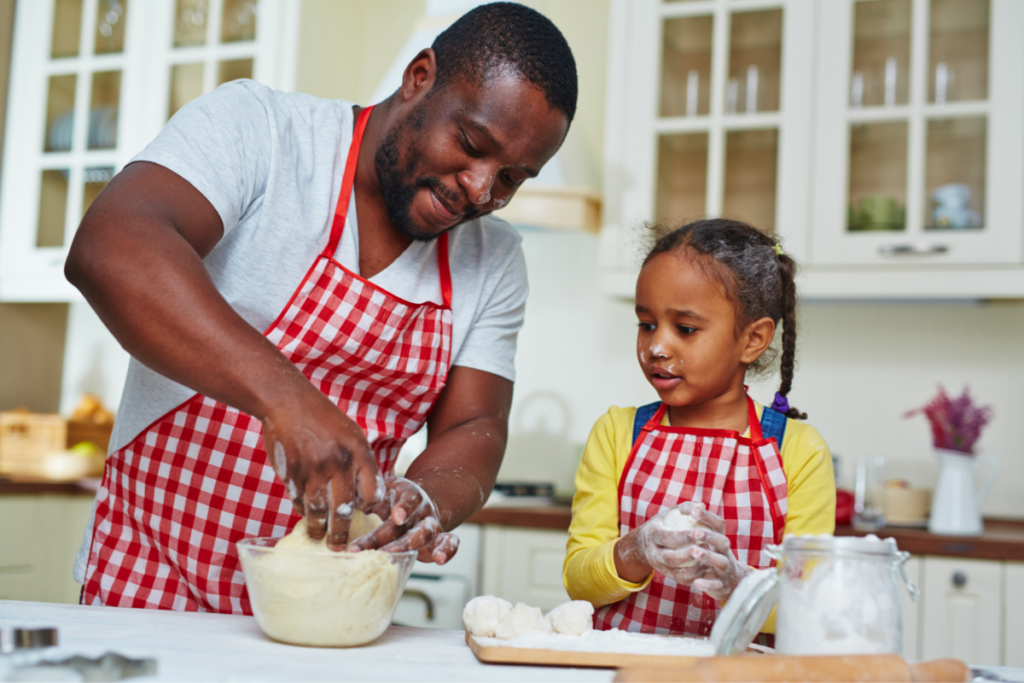 📷 Including children in the cooking process, can start right at doing the groceries, till the table clearing.
Adequate nutrition — Including children in the cooking process, can start right at doing the groceries, till the table clearing. Many parents do this without realising how much it teaches.
📷 Including children in the cooking process, can start right at doing the groceries, till the table clearing.
😴 Sleep
 🌙 A warm, predictable wind-down routine helps children settle into sleep more easily.
Enough sleep (usually 10–12 at night and a 1–2 hour afternoon nap) — Consistent bedtime routine
🌙 A warm, predictable wind-down routine helps children settle into sleep more easily.
🏃 Movement
Exercise (3 hours of movement everyday) — Active lifestyle (see relevant chapter)
💪 Gross motor
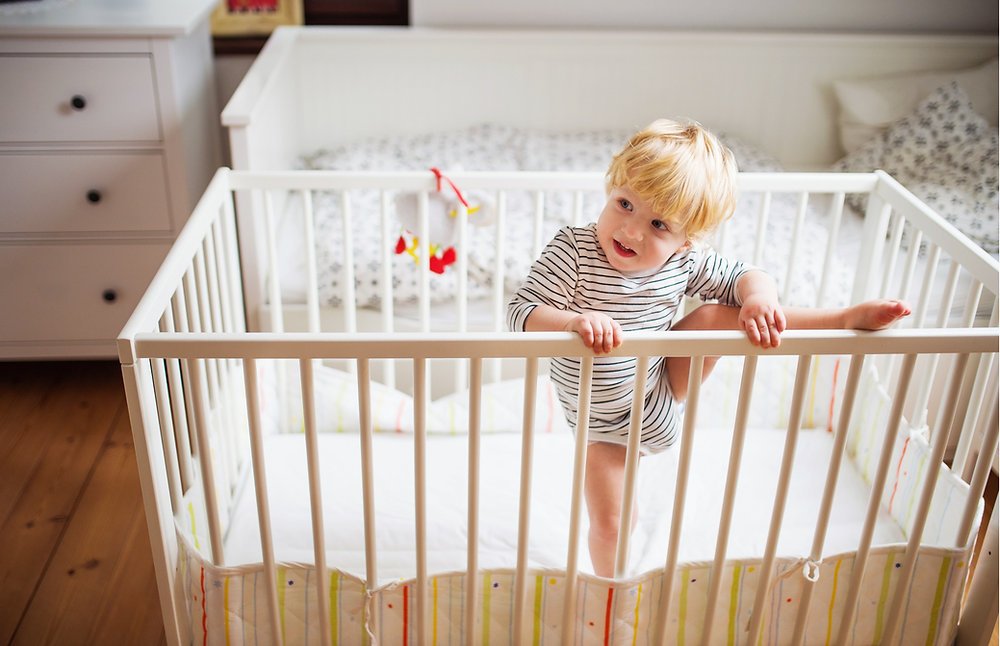 🎞️ Climbing higher up the ladder or grill ensuring a safe landing surface (bed beside the window/foam mats), racing a longer distance
Encouraging children to push their boundaries in physical activities, to do a little more every time.
🎞️ Climbing higher up the ladder or grill ensuring a safe landing surface (bed beside the window/foam mats), racing a longer distance
🖐 Fine motor
Activities that let them attach uneven objects together — Simple puzzles.
🖐 Fine motor
Activities that let them practice pincer grip — Using tongs to pick up objects of different textures, shapes and sizes (rubber duck, piece of lego, napkin).
🖐 Fine motor
Kneading — Playdoughs or ata dough.
👄 Oral motor
Food of different textures — Chewing bones, not blending food.
🧠 Brain
Talking about the task as you do it ("let's squeeze some toothpaste on the brush") Many parents narrate tasks without realising they are literally building their child's brain.
🧠 Brain
Acknowledging your child, even if you are busy (serve and return) You're probably already doing this. It has a name: serve and return.
Begin when you're ready
When to See a Pediatrician
Gross Motor Skills
- Cannot walk steadily by 2 years old
- Frequently falls and trips on flat surfaces
- Can not run, jump and climb by 2.5–3 years old
- Muscles seem too stiff or too loose
- Uses one side of the body more than other
Fine Motor Skills
- Cannot grasp small objects, e.g. crayons, spoon
- Cannot stack 2–4 blocks
- Cannot scribble or draw
Other Physical and Sensory Concerns
- Shows no interest in moving, playing and exploring
- Has difficulty chewing
- Closing one eye when viewing objects
- Extra sensitivity to sunlight
- Failure to respond to or locate the direction of parents' voices
- Favoring one ear more than the other
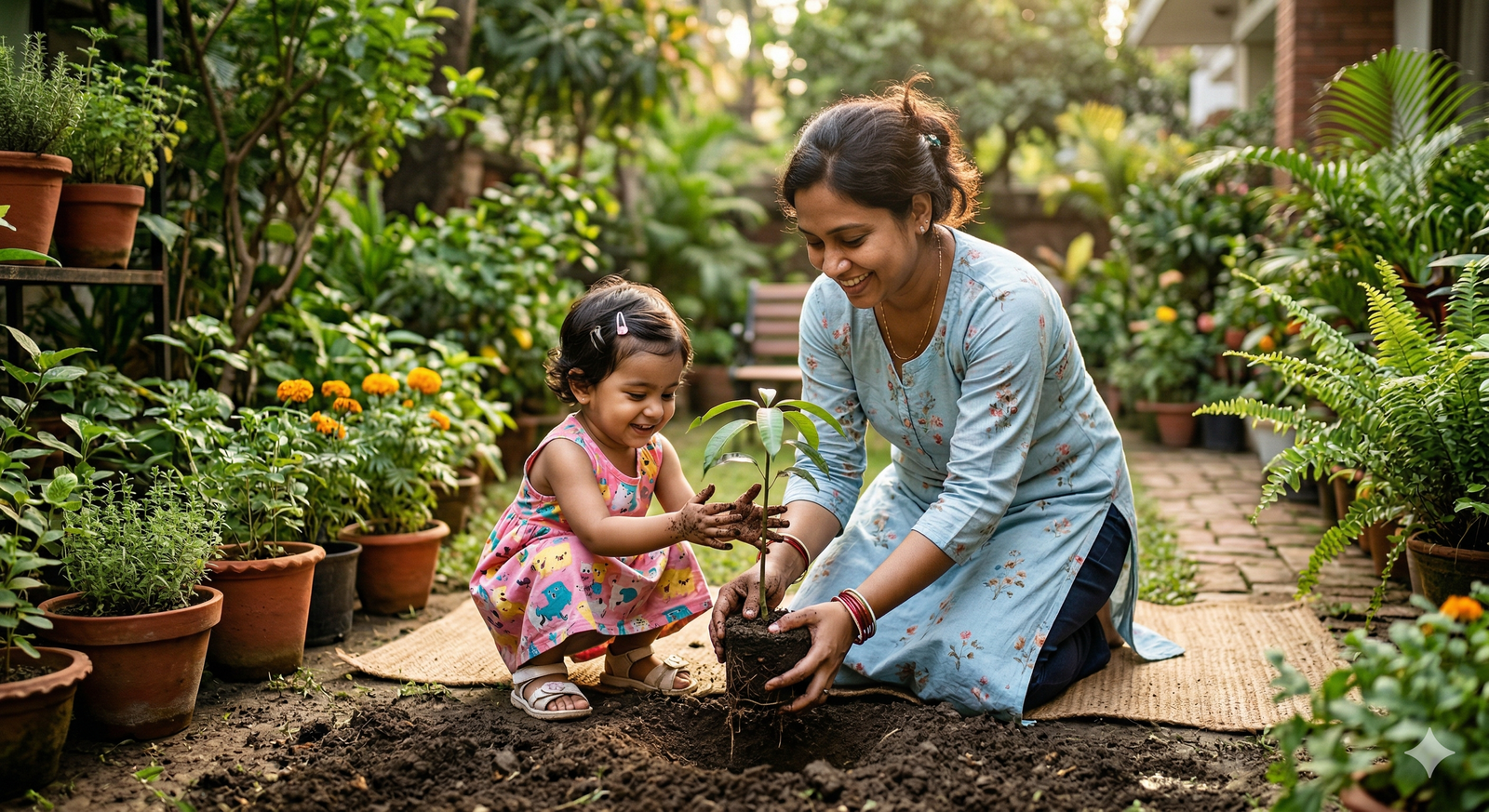
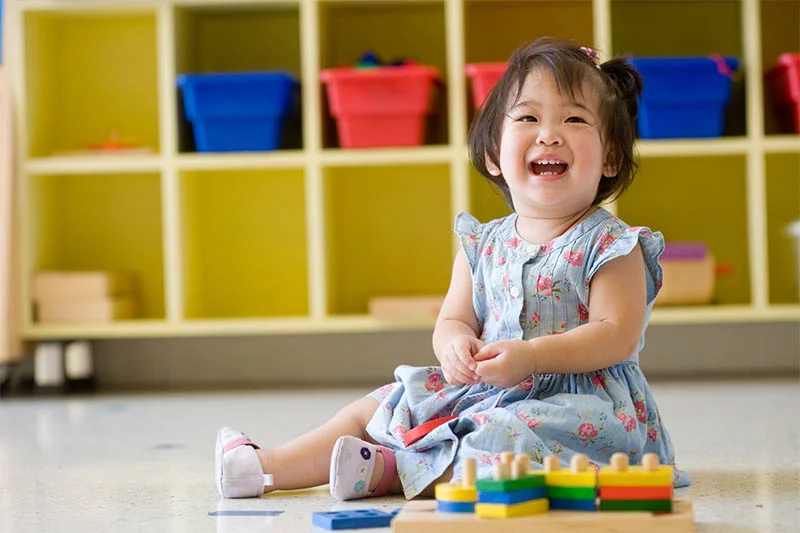
Social and Emotional Development
Some internationally recognized checklists, if you do want to check further!
Modelling How you interact with others is their first and most lasting lesson.
Praising positive behavior ("You shared your food with Auntie! How very kind!")
Redirecting negative behavior in a positive manner (if the child is hitting someone, instead of scolding, gently guiding them to a calm state, by offering distance and gentle hug, and helping them naming the emotion. "Ok I understand you are angry, but hands are not for hitting, hands are for eating, working, holding.")
Making children feel safe and secure
Giving children small, manageable choices ("do you want an apple today? Or banana? How about a fruit salad?")
Allowing children to explore and take initiative. Try not to say no if the activity is not dangerous; if it is, instead of forbidding, offer a safer alternative and tell them why this one is safer. ("You want to jump from the cupboard on the bed? How about you try a smaller distance first, from this chair? If you fall from the cupboard, you might fall on the floor and get hurt, let's do this step-by-step.")
Naming emotions (Sad, happy, angry, etc.; homemade or store-bought emotion cards can be used)
Validating their emotional outbursts (instead of saying "don't cry", say "I understand you are tired and upset".)
Managing emotions; coping mechanisms: counting (let's count up to 5 as we breathe), birthday candle blowing (let's imagine we are blowing 5 candles on a birthday cake). Do it with them.
Modelling The way you manage your own emotions is what they will copy.
⚠️ When to See a Pediatrician